5 Essential Exercises Every Beginner Needs to Master for Optimal Fitness
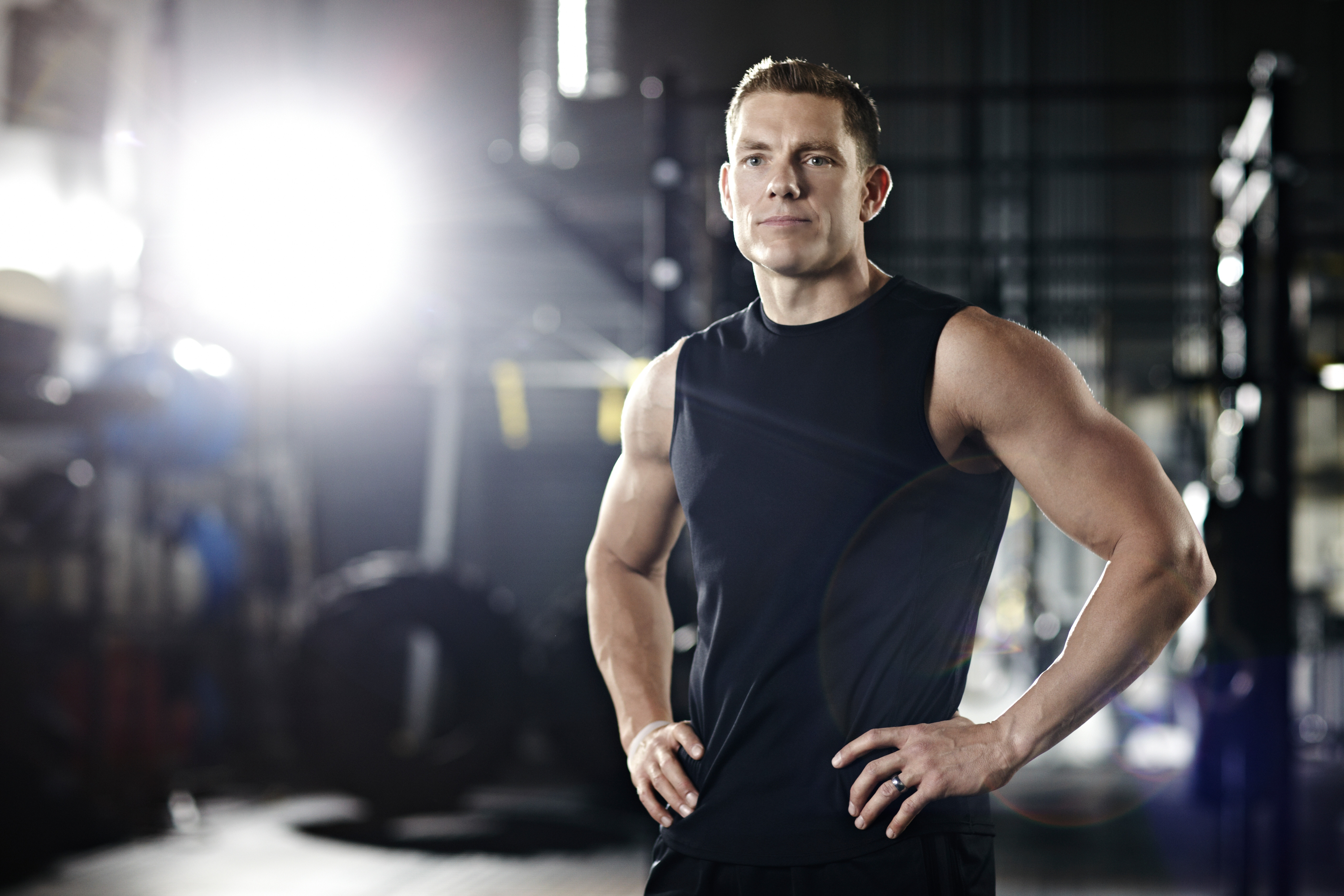
Starting a fitness journey can feel overwhelming with countless workouts and routines available. Yet, mastering a few fundamental exercises builds a strong foundation, improves overall strength, and reduces injury risk. These essential movements engage multiple muscle groups, promote functional fitness, and prepare beginners for more advanced training.
This guide highlights five key exercises every beginner should learn. Each one supports balanced development, improves coordination, and boosts confidence in the gym or at home.

Squats for Lower Body Strength
Squats are a cornerstone of fitness because they target the legs, hips, and core. This exercise mimics everyday movements like sitting and standing, making it highly functional.
How to perform a basic squat:
Stand with feet shoulder-width apart.
Keep your chest up and back straight.
Lower your hips back and down as if sitting in a chair.
Stop when your thighs are parallel to the floor or as far as comfortable.
Push through your heels to return to standing.
Benefits:
Builds strength in quads, hamstrings, glutes, and calves.
Enhances balance and stability.
Supports knee and hip joint health.
Tips for beginners:
Use a chair behind you to guide depth and form.
Start without weights to focus on technique.
Keep knees aligned with toes to avoid strain.
Push-Ups to Build Upper Body and Core
Push-ups strengthen the chest, shoulders, triceps, and core muscles. They require no equipment and can be modified to suit any fitness level.
How to perform a standard push-up:
Place hands slightly wider than shoulder-width on the floor.
Keep your body in a straight line from head to heels.
Lower your chest toward the floor by bending elbows.
Push back up to the starting position.
Modifications for beginners:
Perform push-ups on knees to reduce load.
Use a wall or elevated surface to practice form.
Benefits:
Improves upper body strength and endurance.
Engages core muscles for stability.
Enhances shoulder mobility.
Planks for Core Stability
A strong core supports all movement and protects the spine. Planks are an effective way to build endurance in the abdominal muscles, lower back, and shoulders.
How to hold a basic plank:
Position forearms on the floor, elbows under shoulders.
Extend legs back, balancing on toes.
Keep your body in a straight line from head to heels.
Hold the position while breathing steadily.
Benefits:
Builds core strength without movement.
Improves posture and balance.
Reduces risk of back pain.
Tips:
Start with 15-20 seconds and gradually increase hold time.
Avoid sagging hips or raised buttocks.
Deadlifts for Full-Body Power
Deadlifts engage the posterior chain, including hamstrings, glutes, lower back, and traps. Learning proper form is crucial to avoid injury and maximize benefits.
How to perform a beginner deadlift with light weights or a kettlebell:
Stand with feet hip-width apart, weight in front.
Hinge at hips, keeping back flat and chest up.
Grip the weight and lift by extending hips and knees.
Lower the weight with control.
Benefits:
Builds strength in key muscle groups.
Improves posture and hip mobility.
Trains functional movement patterns.
Safety tips:
Avoid rounding the back.
Use light weights to master form before increasing load.
Engage core throughout the movement.
Lunges for Balance and Coordination
Lunges target the legs and glutes while challenging balance and coordination. They help correct muscle imbalances by working each leg independently.
How to perform a basic forward lunge:
Stand tall with feet hip-width apart.
Step forward with one leg, lowering hips until both knees are bent at about 90 degrees.
Keep front knee over ankle, not pushing past toes.
Push back to starting position.
Benefits:
Strengthens quads, hamstrings, and glutes.
Enhances balance and joint stability.
Improves functional movement for daily activities.
Tips:
Use support like a wall or chair if balance is difficult.
Keep torso upright and core engaged.
Mastering these five exercises creates a solid fitness base. They improve strength, stability, and coordination, which are essential for progressing safely and effectively. Beginners who focus on form and consistency will see steady improvements and build confidence to explore more varied workouts.


Comments